
Exploring Brass Pooja Articles: A Cultural Connection to Festivals
Manu Rastogi
2/10/20268 min read
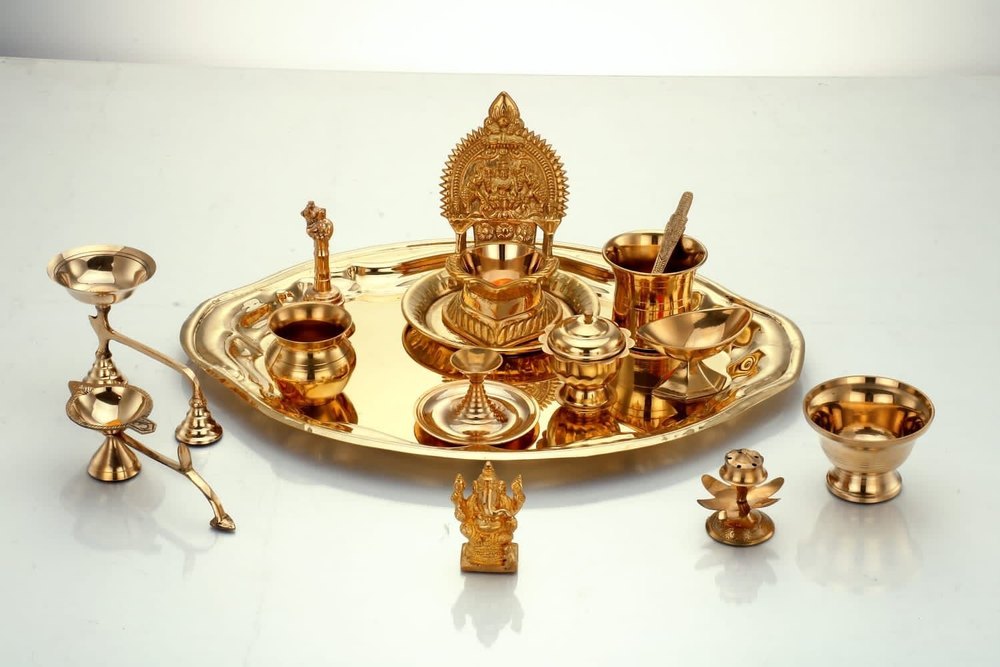
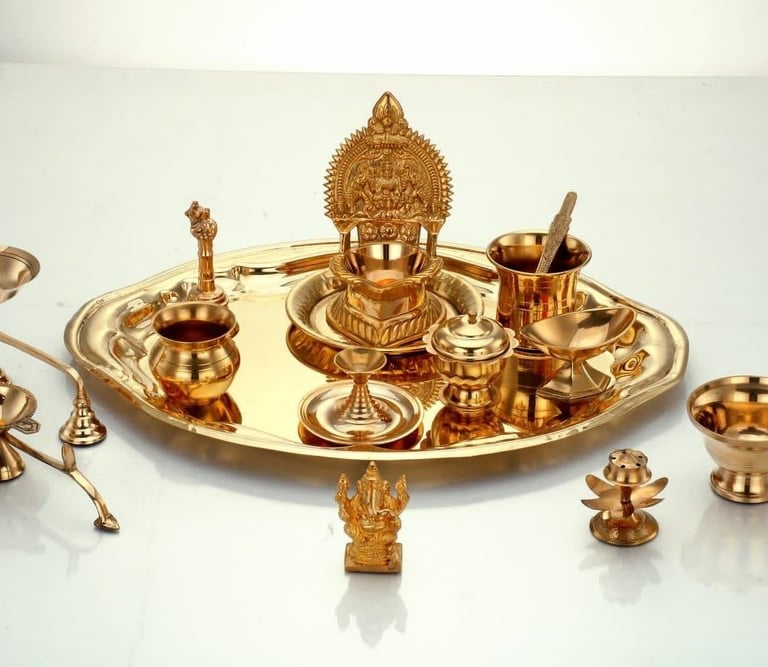
Introduction to Brass Pooja Articles
Brass pooja articles serve as an essential component in Hindu rituals and worship practices, reflecting both cultural significance and spiritual reverence. These items, crafted from brass, include a variety of objects such as lamps, utensils, and decorative pieces, each designed to facilitate and enhance the pooja (worship) experience. The use of brass, which has been popular for centuries, exemplifies not only durability but also a rich aesthetic appeal.
The significance of brass pooja articles goes beyond their utilitarian function; they symbolize purity and the divine connection during religious ceremonies. Traditionally, brass is believed to possess the ability to ward off negative energies, making it a preferred choice for creating pooja items. These artifacts are often adorned with intricate designs and engravings that depict religious motifs, thus adding to their spiritual importance.
Historically, brass has been used in various cultures around the world for different ceremonial purposes. In Hinduism, the practice of using brass for pooja articles can be traced back to ancient times. These items have been cherished across generations, signifying an unbroken continuity in cultural practices. The craftsmanship involved in creating brass pooja articles reflects the artistry and devotion of artisans, who imbue each piece with symbolic meaning and reverence. As rituals evolve, the significance and presence of brass pooja articles remain steadfast, anchoring participants to their faith and heritage.
The importance of brass pooja articles in Hindu festivals and daily worship cannot be overstated. They are integral to the rituals conducted during significant celebrations, fostering a sense of community and spirituality among devotees. In this light, understanding the history and importance of these articles is crucial for appreciating their role in contemporary prayer practices and cultural traditions.
Types of Brass Pooja Articles
Brass pooja articles are an integral part of many religious and cultural practices, serving various purposes during ceremonies and rituals. This section explores the different types of brass pooja articles, each characterized by their unique designs and functions.
One of the most prominent items is the brass diya or lamp. These lamps are often intricately designed, embodying traditional motifs and symbols. Used to illuminate the space during worship, brass diyas hold a significant place in rituals as they signify the removal of darkness and the arrival of light—both literally and metaphorically. They are often lit during festivals like Diwali, symbolizing prosperity and good fortune.
Next are brass bells, known as ghanti in many cultures. These bells are typically used in pooja ceremonies to signal the beginning or ending of prayers. The sound of the brass bell is believed to purify the atmosphere, bringing positivity to the worship area. Bells come in various sizes and designs, often featuring intricate carvings that reflect cultural heritage.
Thalis, or plates made from brass, are another essential pooja article. They are used to hold offerings, including flowers, fruits, and sweets during rituals. The design of thalis is often elaborate, showcasing craftsmanship that enhances their aesthetic appeal. Thalis are also employed for conducting aarti, the ceremonial worship with light, making them an invaluable item during festivals and special occasions.
Lastly, brass incense holders play a crucial role in creating a meditative atmosphere during worship. The aroma of incense is believed to enrich the spiritual experience, aiding concentration and devotion. These holders can come in various designs, from simple to ornate, enhancing the overall decor of the pooja space.
In summary, each type of brass pooja article carries its importance in religious practices, bridging the connection between culture and spirituality.
The Artistic Craftsmanship of Brass Items
Brass pooja articles are not only functional items used in religious ceremonies but also exemplify a rich tradition of craftsmanship. The artistry involved in their creation reflects a seamless blend of cultural heritage and skilled workmanship. Artisans, often belonging to families with a long lineage in metalwork, employ techniques that have been passed down through generations. This results in unique pieces that tell a story, capturing the essence of the rituals they are meant to enhance.
The process of crafting brass pooja items begins with selecting high-quality brass, a material favored for its durability and aesthetic appeal. Brass is an alloy primarily composed of copper and zinc, which gives it a warm, golden hue that is appealing to the eye. Once the right materials have been chosen, artisans use methods such as casting, engraving, and hammering to shape the metal into exquisite forms. The intricate designs often incorporate religious symbols, floral patterns, and various motifs that resonate with cultural significance.
Moreover, the labor involved in the creation of these brass articles showcases not only technical skill but also artistic sensibility. Each artisan’s unique touch is evident through careful detailing, which adds to the individuality of the item. This attention to detail is paramount, as it transforms a simple object into a piece of art that is imbued with spiritual essence. As the demand for brass pooja articles rises, so does the appreciation for the artisans who are dedicated to preserving these traditional techniques. Their commitment to excellence ensures that every piece serves not just as a utility in worship but as a cherished artifact that connects generations across cultural landscapes.
Cultural Significance of Brass in Festivals
Brass pooja articles hold substantial cultural and spiritual significance during various festivals, particularly within Hindu traditions. The use of brass in rituals and celebrations is deeply rooted in the belief that this alloy, which consists primarily of copper and zinc, embodies virtues of purity, strength, and resilience. These qualities are especially revered in the context of spiritual practices and Pooja ceremonies. As festivals approach, households often prepare by cleaning and decorating their brass utensils, signifying an invitation for prosperity and auspiciousness into their lives.
During prominent festivals such as Diwali, the festival of lights, brass articles play a pivotal role in the rituals performed to honor deities. Families light diyas (small oil lamps) made of brass, believing that the illumination helps in driving away darkness and ignorance. The warm glow emanating from brass is symbolic of knowledge and enlightenment, reflecting the festival's essence. Additionally, the vibrant appearance and the musical notes produced when brass vessels are tapped or clanged during celebrations resonate with joyous sounds, enhancing the festive atmosphere.
Another significant festival, Navaratri, sees brass items take center stage in the worship of Goddess Durga. Decorative brass idols and pooja thalis (ritual plates), adorned with flowers and offerings, become key elements in the rituals. The use of brass, which does not tarnish easily and can be polished to shine brightly, aligns with the theme of purity and devotion, making it an enduring choice for ceremonies spanning generations. This enduring presence of brass in festivals signifies its longstanding cultural connection and the reverence attached to it within Hindu society.
Maintaining and Caring for Brass Pooja Articles
Brass Pooja articles are cherished for both their aesthetic appeal and cultural significance. To ensure that these items maintain their beauty and functionality over time, regular care and maintenance are essential. The first step in caring for brass items is cleaning. Brass can tarnish over time due to exposure to air and moisture, resulting in a dull appearance. To restore its shine, it is advisable to clean the articles regularly using a mixture of warm water and gentle soap. A soft microfiber cloth can effectively remove dirt and grime without scratching the surface.
For deeper cleaning and to manage tarnish, one can use a commercial brass cleaner or a homemade solution made of vinegar and baking soda. By applying the cleaner using a soft cloth, you can gently rub away tarnish, taking care to rinse thoroughly afterward to avoid any residue. It is recommended to avoid abrasive materials, as they may damage the brass finish.
Storage is another critical element in maintaining brass Pooja articles. It is best to store these items in a dry place away from direct sunlight, as extreme temperatures and humidity can accelerate tarnishing. To prevent dust buildup, consider covering them with a soft cloth or placing them in a dedicated box lined with soft fabric. Additionally, using silica gel packets in storage containers can help absorb moisture, further protecting the brass items.
To avoid tarnishing, you may also apply a thin layer of mineral oil to the brass surface. This protective coating can create a barrier against environmental factors that lead to tarnish. Regularly inspecting and maintaining your brass Pooja articles will ensure that they remain beautiful and functional for generations, preserving their cultural significance.
Modern Trends in Brass Pooja Articles
Brass pooja articles have long held a revered place in the hearts of many, symbolizing tradition and spiritual connection. In contemporary contexts, however, there is a noticeable shift towards modernizing these traditional items. Young consumers are increasingly seeking pooja articles that resonate with their lifestyle while retaining cultural significance. This evolving landscape highlights a beautiful amalgamation of modern design with traditional craftsmanship.
One of the most notable trends is the incorporation of minimalist aesthetics into the design of brass pooja articles. Gone are the days when ornate designs dominated the market; today's younger generation prefers sleek lines and subtle elegance that can seamlessly blend into modern home decor. Designers are exploring innovative shapes and forms that not only serve a functional purpose during religious rituals but also double as attractive decor elements in a home.
Moreover, contemporary designers are integrating vibrant colors and finishes into brass pooja articles, moving away from the conventional lustrous gold tone. Techniques that involve powder coating or antiquing provide a fresh appeal, making these articles more visually engaging for a younger audience. This fusion of color and traditional brass really caters to the modern consumer’s taste, ultimately making the spiritual experience more inclusive and relatable.
Additionally, many companies are embracing sustainable practices in the production of brass pooja articles. Eco-friendly materials and ethical manufacturing processes resonate with the growing awareness surrounding environmental issues. This trend not only enhances the appeal of these articles but also aligns with the values held by today's socially conscious consumers.
In conclusion, the modern trends in brass pooja articles illustrate a significant cultural shift, embracing contemporary aesthetics while honoring traditional values. The ongoing evolution ensures that these items remain relevant and cherished across generations, allowing the spiritual connection to continue thriving in an ever-changing world.
Conclusion: The Enduring Legacy of Brass Pooja Articles
In examining the importance of brass pooja articles, we recognize their significant role in preserving cultural heritage and fostering a connection to traditions and festivals. Brass pooja items, with their historical roots, serve as a tangible reminder of the customs and practices that have shaped various communities across generations. These items, often adorned with intricate designs, not only reflect the artistic abilities of artisans but also embody the spiritual essence associated with the rituals performed using them.
Today, brass pooja articles continue to hold a revered place in various religious ceremonies and festive occasions, infusing a sense of tradition in a rapidly changing world. They are integral to poojas, domestic rituals, and public celebrations, reinforcing a sense of identity and community among practitioners. The enduring appeal of these brass items is rooted not only in their aesthetic value but also in their role as symbols of continuity in practices that might otherwise fade.
Moreover, the use of brass pooja articles is increasingly being recognized in contemporary spaces. With a growing interest in sustainability and authentic cultural appreciation, more individuals are incorporating brass into their lives, whether through traditional celebrations or decorative uses in modern homes. This trend highlights a broader cultural movement toward valuing authenticity and heritage while forging new connections to past traditions.
In conclusion, brass pooja articles are more than mere objects; they are vessels of cultural expression and continuity. Their significance transcends functionality, reminding us of the festivals, rituals, and communities that define not only individual identities but also collective histories. Embracing these brass items encourages a deeper appreciation for the spiritual and cultural narratives embedded within our rituals, ensuring that they continue to thrive in the modern age.
BRASSIFY BY SS METAL MORADABAD
Exquisite handcrafted brass products for your home.
Elegance
Heritage
+91-9818059661
+917060773726
© 2025. All rights reserved.