
Why Moradabad, UP Is Known as the Brass City
Moradabad
2/10/20268 min read
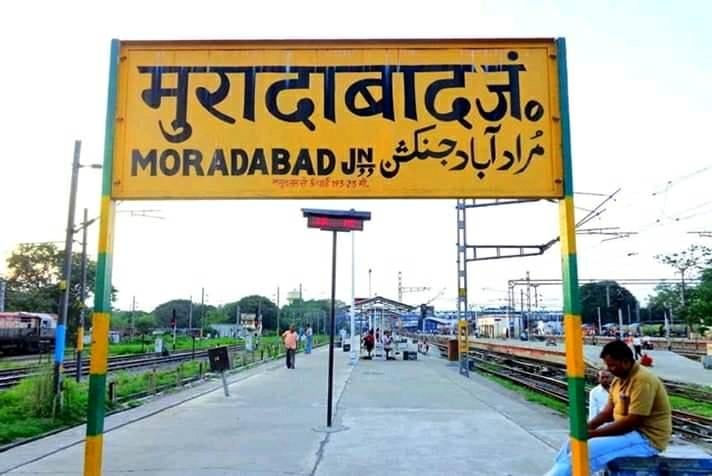
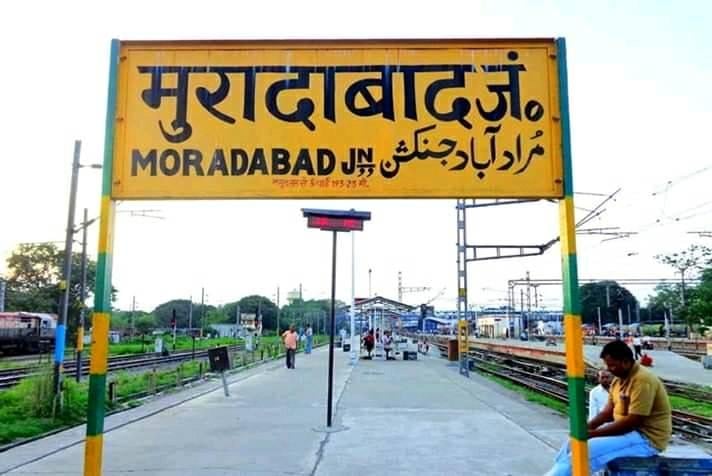
Introduction to Moradabad
Moradabad, a distinguished city located in the Indian state of Uttar Pradesh, serves as a pivotal hub for both historical and cultural significance. Situated approximately 166 kilometers northwest of the capital city, Lucknow, it is strategically positioned near the banks of the Ramganga River. Established in 1625 by the Mughal governor, Rustam Khan, the city draws its name from the Persian phrase "Morad Abad," translating to "The abode of happiness." This name reflects the region's rich legacy and its historical importance dating back several centuries.
With a population of over 500,000 residents as per the latest census, Moradabad has evolved into a bustling urban center while still retaining its roots in traditional craftsmanship. The city is particularly renowned for its exceptional metalwork, predominantly focusing on brass, which has earned it the nickname "Brass City." Over the years, it has seen a significant increase in its demographic diversity, with a growing population representing various cultures and communities that contribute to its vibrant social fabric.
Moradabad's history is intertwined with the development of its industries, especially those related to brass manufacturing. This craft has transformed the city into a leading exporter of brass goods and decorative items, thus fostering economic growth and providing livelihoods to many. Consequently, Moradabad's identity is closely linked with its industrious character, as it continues to adapt to contemporary economic demands while celebrating its historical artistry.
The Legacy of Brass Craftsmanship in Moradabad
The city of Moradabad in Uttar Pradesh, India, has a long and storied history with brass craftsmanship, earning it the nickname "Brass City." The tradition of working with brass can be traced back to the Mughal era, when artisans began creating intricate brass objects that were both functional and decorative. This practice took root as local craftsmen honed their skills in metalworking, notably influenced by the artistic sensibilities of the Mughals.
Over the centuries, the craftsmanship in brass has evolved. Initially, the production was limited to basic household items such as pots and pans. However, as the demand for decorative brassware increased, artisans began to experiment with different techniques and designs. This expansion was further propelled by trade relations, which introduced new markets for Moradabad's brass artifacts, including Europe and the Middle East. The city became a hub for exporting these goods, showcasing the intricate designs that reflect the area's cultural heritage.
The skilled artisans of Moradabad have played a crucial role in maintaining the high standards of craftsmanship associated with brass production. Many of these artisans come from families that have practiced the craft for generations, passing down their knowledge and techniques. This ensures that the traditional methods of shaping and finishing brassware are upheld, preserving the quality and uniqueness of each piece. Furthermore, modern developments, including the use of machinery alongside traditional techniques, have enhanced production capabilities while still respecting the artistry involved.
Key historical milestones, such as the establishment of craft cooperatives and specialized training programs, have supported the growth of this industry. These initiatives have not only promoted employment but also empowered artisans by fostering a sense of community and collaboration. As a result, the brass craft in Moradabad continues to thrive, representing the rich history and cultural legacy of the region.
The Economic Significance of the Brass Industry in Moradabad
The brass industry holds paramount economic significance for Moradabad, Uttar Pradesh, often referred to as the "Brass City." This industry is a cornerstone of the local economy and plays a vital role in shaping the employment landscape of the region. It is estimated that over 1 million people are directly and indirectly employed in brass manufacturing-related activities. The labor-intensive nature of brass crafting allows individuals with varying skill levels to participate, fostering inclusive growth.
Moradabad's brass production, which includes items such as decorative pieces, utensils, and hardware, has established a significant foothold in both domestic and international markets. The revenue generated from brass exports has significantly contributed to the economic stability of the city. In 2020 alone, brass products worth approximately 400 million USD were exported, reflecting the strong demand for Moradabad's brass goods in places such as North America, Europe, and the Middle East. This export activity not only underscores the global relevance of the brass industry but also highlights the potential for economic growth and diversification.
Furthermore, the brass industry propels related sectors, including transportation, marketing, and retails, enhancing the overall economic framework of Moradabad. The presence of local artisans and craftsmen fosters a sense of community and sustains traditional techniques that are integral to brass manufacturing. Support from government initiatives, such as skill development programs, further emphasizes the importance of sustaining and advancing this industry. The economic ramifications of brass manufacturing extend beyond mere financial metrics, promoting cultural heritage and local identity that are encapsulated in the exquisite craftsmanship of Moradabad's brass products.
Brass Products: An Overview
Moradabad, often referred to as the Brass City, is renowned for its exceptional craftsmanship and a diverse range of brass products. The artisans in this region have honed their skills over generations, producing an extensive array of items that cater to both domestic and international markets. The manufacturing process of these brass goods involves traditional techniques that have been passed down through time, emphasizing attention to detail and a dedication to quality.
Among the most popular products created in Moradabad are intricately designed utensils. These include items such as brass pots, trays, and bowls that serve both functional and aesthetic purposes. The use of brass not only provides durability and longevity but also adds a traditional charm that resonates with consumers looking for authentic craftsmanship. The artisans often employ techniques such as hand-hammering and engraving to enhance the visual appeal of these utensils, making them sought-after both for everyday use and decorative purposes.
In addition to functional items, Moradabad is well-known for its decorative brass pieces. This category encompasses a variety of sculptures, candle holders, and wall hangings that reflect artistic creativity and cultural themes. These decorative items often feature elaborate designs and intricate motifs, showcasing the skill of local artisans. The artistic sculptures, in particular, stand out due to their ability to capture the essence of Indian heritage through the medium of brass.
Overall, the brass products of Moradabad are not just mere commodities; they represent an art form rooted in history and community tradition. The combination of quality materials and skilled craftsmanship makes these brass items appealing to a wide audience, ensuring that their popularity transcends geographical boundaries, reaching customers worldwide. This continuing legacy of brass manufacturing not only sustains the local economy but also preserves the rich cultural heritage of Moradabad.
Cultural Significance of Brass in Moradabad
Brass holds a prominent place in the cultural tapestry of Moradabad, Uttar Pradesh, often referred to as the "Brass City". This city is renowned for its intricate brass craftsmanship which has been passed down through generations. The significance of brass in local traditions is profound, as it plays a crucial role in various cultural expressions and rituals that define the identity of Moradabad's residents.
Brass items are more than mere decorative objects; they play vital roles during festivals and ceremonies. For instance, during Diwali, the Festival of Lights, families decorate their homes with beautifully crafted brass lamps. Similarly, during weddings, brass utensils and decor items symbolize prosperity and good fortune. The use of brass in these occasions signifies not only the aesthetic value but also a deep-rooted belief in its cultural symbolism.
The artisans of Moradabad, often belonging to traditional families of brass craftsmen, view their work as a blend of artistry and heritage. Each piece is created with great attention to detail, showcasing the skills that are often mentioned in oral histories transmitted through family lines. The connection between these artisans and their craft forms a central part of Moradabad’s cultural identity, instilling pride among residents who view their artisanal heritage as a source of community cohesion.
Moreover, the integration of brass items into everyday life extends beyond mere decoration. Brass kitchenware remains popular due to its health benefits, reinforcing traditional culinary practices. The city’s artisans have adapted their production techniques while remaining committed to preserving age-old methods, thus bridging the past with modern consumer demands.
In conclusion, the cultural significance of brass in Moradabad is multifaceted. It embodies the artistry, traditions, and collective identity of the community, making it an indispensable part of their social fabric.
Challenges Facing the Brass Industry
The brass industry in Moradabad, often referred to as the Brass City, has long been a vital contributor to the local economy. However, the sector is currently facing several significant challenges that threaten its sustainability and growth. One of the primary obstacles is the intense competition posed by cheaper imports. Globalization and the availability of low-cost brass products from countries with favorable manufacturing conditions have made it difficult for Moradabad's brass producers to compete on price. This situation has led to a decline in local demand, as consumers often opt for more affordable alternatives.
Additionally, environmental concerns have emerged as a pressing issue in the brass industry. The traditional methods of brass production often involve the use of toxic chemicals and pollutants that can adversely affect the health of the workforce and the surrounding environment. As regulations surrounding environmental practices become more stringent, many local artisans and manufacturers struggle to adapt their processes to comply with new standards, incurring additional costs in the process.
Moreover, the impact of modernization on traditional craftsmanship poses a significant threat to the brass industry in Moradabad. As the industry evolves, there is a growing emphasis on mass production techniques, which can diminish the value of handcrafted items and erode the skills of local artisans. To ensure the survival of traditional methods, it is essential to strike a balance between modernization and the preservation of unique craftsmanship.
To address these challenges and maintain the vitality of the brass industry, various initiatives can be explored. Encouraging collaboration among artisans, promoting eco-friendly practices, and investing in vocational training can help sustain the industry. By fostering innovation and emphasizing the uniqueness of locally produced brass goods, Moradabad can continue to thrive as a center of brass craftsmanship.
The Future of Moradabad: Sustainability and Innovation
As Moradabad continues to be recognized as the Brass City, the future of its renowned brass industry is shaped by a blend of sustainability and innovation. In recent years, local artisans and businesses have been increasingly focused on adopting eco-friendly practices and refining their crafting techniques to meet both market demands and environmental standards. The integration of sustainable methodologies is not only vital for the environment but also opens new avenues for the industry’s growth.
One of the pivotal innovations in Moradabad’s brass sector is the introduction of greener production processes. Artisans are experimenting with alternative materials and technologies that reduce waste and energy consumption. This shift towards sustainability is encouraging traditional craftsmen to rethink their approaches while maintaining the quality and artistry for which Moradabad is celebrated. Moreover, this paradigm shift is particularly important as consumers globally become more inclined to support brands that prioritize environmental stewardship.
Additionally, the opportunity for growth in new markets is substantial. The demand for handcrafted brass items in international markets is on the rise, with consumers valuing unique and ethically produced goods. Artisans are using social media platforms and online marketplaces to reach broader audiences, showcasing their craftsmanship and sustainability efforts. This approach not only increases the visibility of Moradabad's products but also fosters a deeper appreciation for the artisans' skills and traditions.
Importantly, while the brass industry in Moradabad is adopting modern innovations, maintaining the rich heritage of brass craftsmanship remains a priority. By blending tradition with contemporary techniques, the artisans of Moradabad are ensuring that their legacy not only survives but thrives amidst the complexities of a changing world. Through these efforts, the future of Moradabad’s brass industry appears not only promising but also imbued with endless possibilities for sustainability and innovation.
BRASSIFY BY SS METAL MORADABAD
Exquisite handcrafted brass products for your home.
Elegance
Heritage
+91-9818059661
+917060773726
© 2025. All rights reserved.